
“I can’t get that music out of my head” “I heard this cream is the best in the market” “This trend on TikTok” “I saw the recipe on TikTok” “I found this hack on TikTok, and it’s a lifesaver”
TikTok has become the platform where everyone is perpetually scrolling, being influenced non-stop—even subconsciously. I spend a lot of time creating and engaging with BeautyTok content. I post makeup and skincare videos on TikTok. I work as a beauty advisor. I have been a skincare enthusiast for over eight years. I wanted to explore how TikTok shapes marketing, daily habits, and purchasing decisions. From both a marketing perspective as a Master of Marketing student and as a beauty creator, the impact is undeniable.
TikTok’s Evolution
TikTok was launched in September 2016 by ByteDance under the name Douyin in China. In September 2017, ByteDance introduced TikTok to international markets. However, TikTok as we know it today became widely known after August 2018, when ByteDance merged TikTok with Musical.ly, a popular lip-syncing app. This merger helped TikTok gain massive popularity, especially among younger audiences worldwide.
The Rise of UGC & Influencer Marketing
Before 2020, TikTok was steadily growing, but the pandemic expanded its influence. With people stuck at home, TikTok had a global breakthrough. Celebrities joined. Viral challenges took over. Brands quickly adapted their marketing strategies.
Marketers didn’t miss the opportunity. TikTok didn’t invent UGC (User-Generated Content) influencer marketing, but it revolutionized it. It made it more organic and trend-driven. It also became more accessible to everyday users. Unlike Instagram’s polished aesthetic, TikTok thrives on raw, relatable content. It encourages brands to collaborate with micro-influencers. Even regular users help to promote their products authentically.
The For You Page (FYP) algorithm took UGC even further, prioritizing engagement over follower count, making virality achievable for anyone. This shift allowed brands to tap into everyday users as organic promoters rather than relying solely on traditional influencers.
Fenty Beauty embraced this by launching branded challenges, transforming regular TikTok users into unpaid brand advocates simply by encouraging participation. Rare Beauty, on the other hand, set itself apart. It built a strong, independent brand identity beyond Selena Gomez.The brand builds genuine connections with its audience through authentic engagement. Its quality-driven and friendly marketing approach has fostered a loyal community, particularly attracting Gen Z. Meanwhile, Duolingo adopted a humorous and personality-driven approach with their green owl mascot. Their campaigns successfully go viral, creating buzz. This proves that playful branding can be just as effective as influencer partnerships.
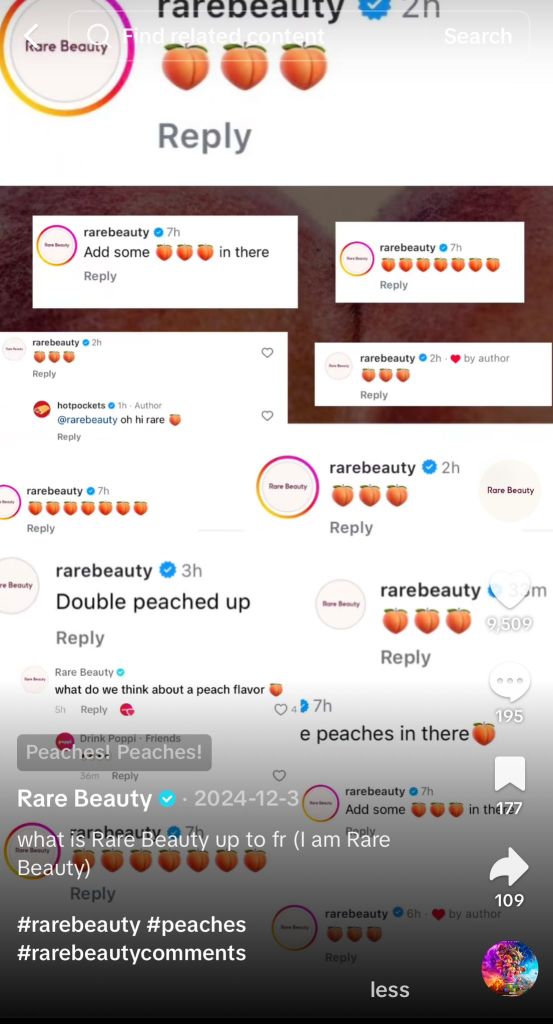
Many brands now actively comment on viral posts. They hop on trends and engage in real-time conversations. This blurs the line between brand and influencer. It makes marketing feel more human and interactive.
A prime example of this is Duolingo’s “death and revival” campaign on TikTok. The brand fully embraced its chaotic, meme-driven content, leaning into its notoriously aggressive owl persona. It created hilarious, unhinged videos that played into user jokes about its push notifications being threatening.
Duolingo engages with its audience—and even other brands—by trolling the comments section, duetting viral videos, and jumping on absurd trends. It is now a leading example. Brands can thrive on TikTok by embracing platform humor. They can also use pop culture references.
This shift in brand engagement strategy proves that the brands winning on TikTok aren’t just promoting their products. They’re acting like creators themselves.


Viral Trends & Their Real-World Impact
TikTok beauty trends don’t just stay on the app. They influence real-world fashion and makeup collections. These trends affect ad campaigns and even celebrity styling choices. Dark feminine makeup has made a comeback. It is inspired by Monica Bellucci’s classic Hollywood glamour. This trend brings back sultry, sculpted looks with deep tones and smudged eyeliner. Meanwhile, the cold girl makeup trend embraces a fresh, flushed winter aesthetic. It mimics the natural rosy glow from chilly weather. This look is so popular that brands have turned it into new product lines featuring icy-toned blushes and highlighters.
Hailey Bieber’s Sugar Plum Fairy and Strawberry makeup trends have made a significant impact, quickly becoming viral sensations. Their soft color palettes and dewy finishes have inspired countless makeup tutorials and product launches, even influencing runway looks. This highlights how deeply TikTok trends shape both consumer behavior and the beauty industry.
The Future of Branding: AI, Personalization & Beyond
Brands are investing more in social media and digital marketing, leaving traditional ads behind. What once relied on TV, print, and celebrity endorsements has transformed into AI-driven, interactive branding. with platforms like TikTok leading the way in shaping consumer engagement.
TikTok has redefined brand-consumer relationships by making marketing feel more personal, immediate, and trend-driven. The For You Page (FYP) algorithm has transformed how brands connect with audiences. It pushes content based on engagement rather than just ad spend. Brands are no longer just advertisers—they’re active participants in viral trends, memes, and influencer collaborations.
Looking ahead, AI-generated influencers, hyper-personalized shopping experiences, and predictive marketing will take this a step further. We already see AI tools curating content tailored to individual preferences on TikTok. Virtual influencers are becoming part of brand campaigns. As AI technology advances, the question remains:
In just 20 years, branding has evolved from TV commercials and print ads to interactive, AI-driven experiences on social media. But as technology advances, one question remains. Will AI-driven branding fully replace human connection? Or will authenticity and organic engagement always be the driving force?
One thing is clear—branding and marketing is no longer what it used to be. It will only continue to evolve.
Stay tuned for more blogs where I reflect my thoughts and reflections!

 melissaergun
Leave a comment